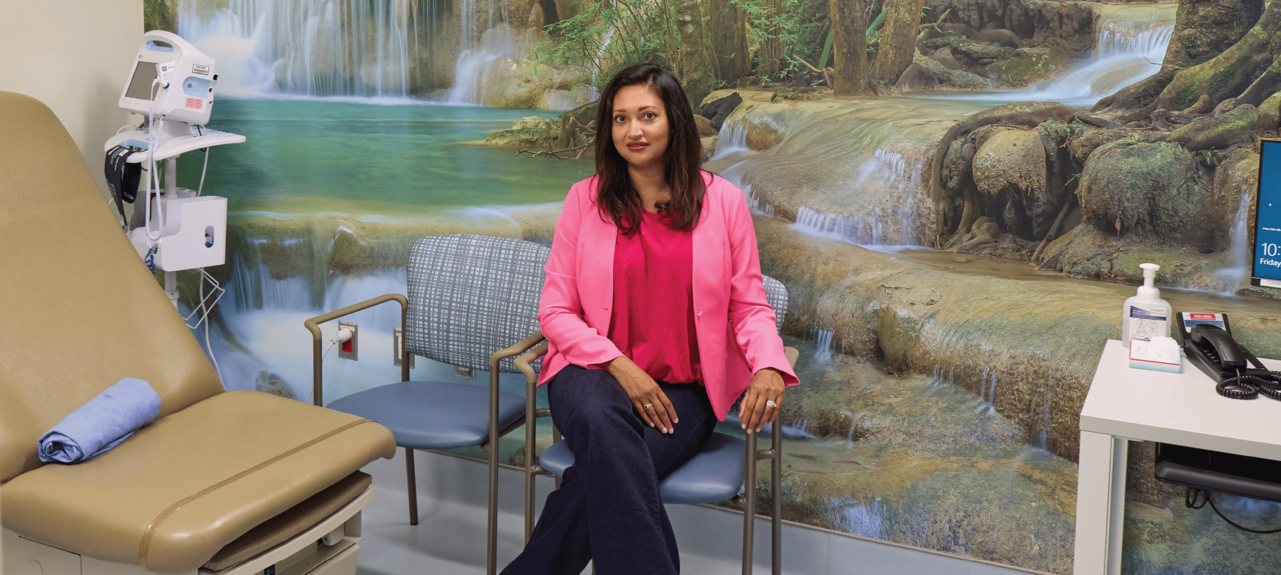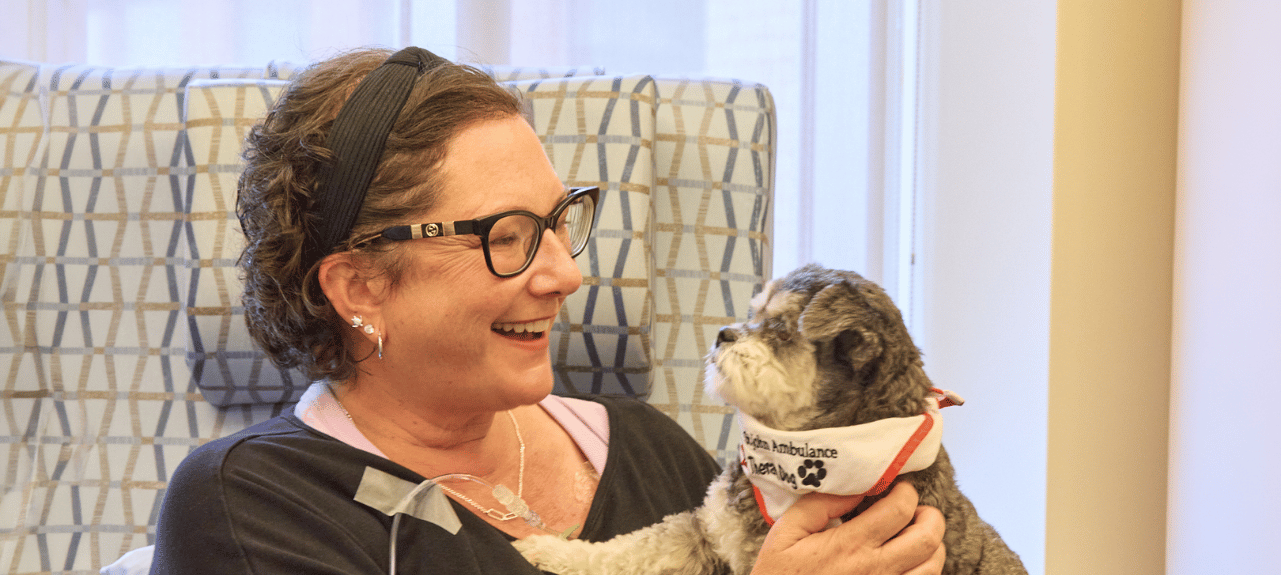
A woman seated in a patterned chair smiles while holding a small grey therapy dog wearing a St. John Ambulance bandana.

كيف تنقذ حياة شخص ما

A routine cancer screening provided the early detection Julie Atkinson needed.
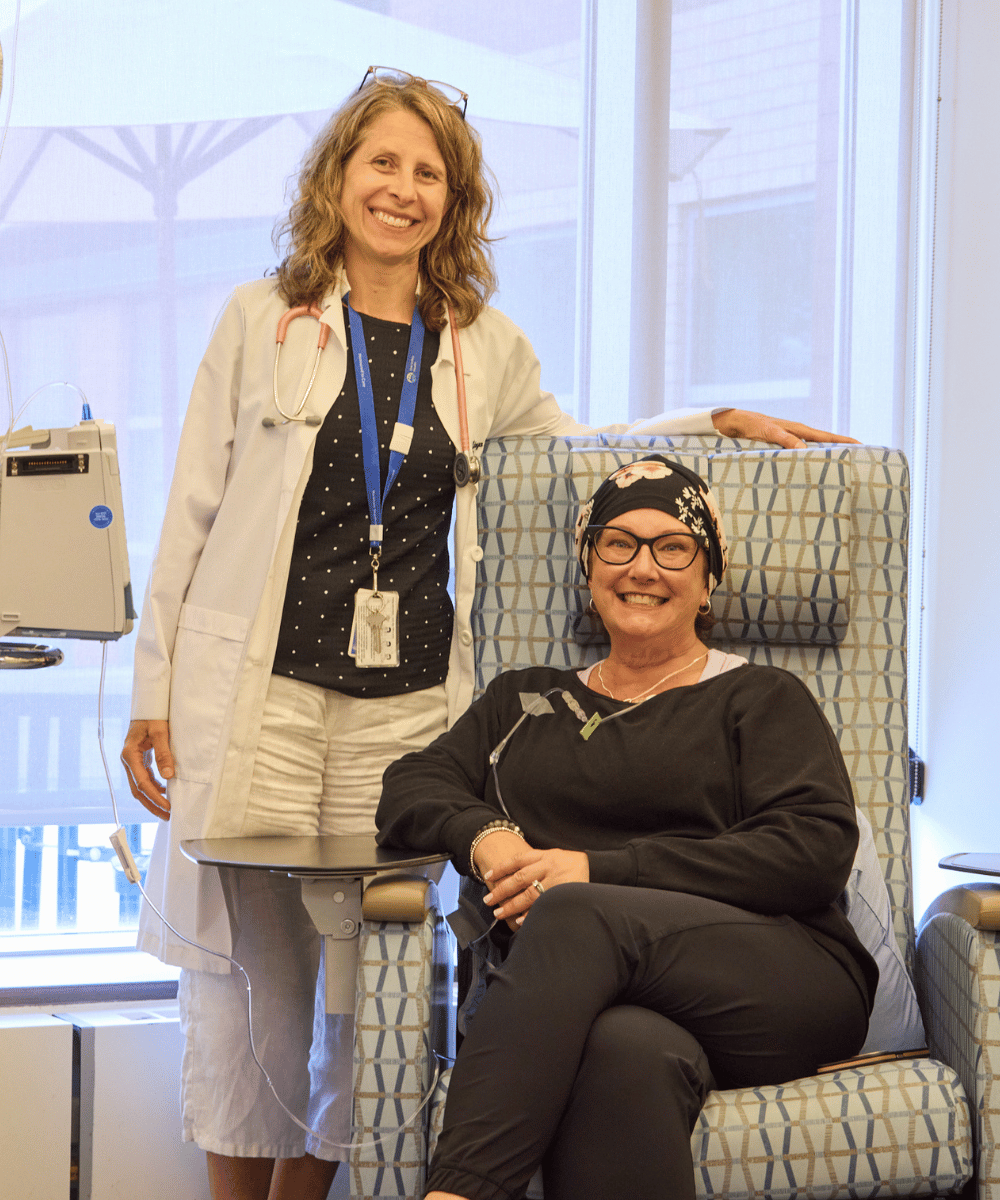
When Julie Atkinson turned 50 two years ago, she knew the milestone came with a set of instructions, so to speak: schedule a mammogram and a colonoscopy. And while some people avoid these routine cancer screenings — possibly due to misconceptions and fear — Julie, a Child Life Specialist who had worked at Oak Valley Health’s Markham Stouffville Hospital (MSH) for 29 years, was all in.

“It’s just worth getting all the checks you can, so you can be preventative if there is anything,” she says.

In February 2025, Julie, who also lives in Stouffville, went into her mammogram appointment at MSH with no concerns. However, the next morning, the hospital called to request that she come in for a follow-up ultrasound. When the radiologist saw something suspicious, she recommended a breast biopsy.

Dr. Crystal Pallister, a general surgeon at MSH’s Gale & Graham Wright Breast Health Centre, brought her in soon after to share the news: Julie, it turned out, had breast cancer.

In her mind, there was never any question regarding where she’d go for treatment. “I knew right away that I wanted all my care at MSH,” she says, noting the importance of being able to access high-quality treatment so close to home. “I just knew they were going to take really good care of me.”

الصور: ديفيد وايت

Early detection is best

Julie was smart to go to her first mammogram, rather than waiting until she found a lump. Although her breast cancer subtype was aggressive, doctors caught it early enough that treatment was straightforward: she underwent a partial mastectomy in March 2025 to remove all the cancer, then completed chemotherapy, radiation at a partnering hospital, and a targeted pharmaceutical therapy that ended 13 months later. A later diagnosis could have meant more intensive treatment or extensive surgery, had the cancer spread.

According to Statistics Canada, the median age at which women are diagnosed with breast cancer is around 62 years old. However, early-onset cancers — generally defined as cancers diagnosed before age 50 — are on the rise across North America, and recent studies show that breast cancer rates have risen steadily for decades in Canadian women under 55. Unfortunately, nearly a third of Canadian women who were screening age reported not getting a mammogram in the past three years because they didn’t think they needed one.

Dr. Mateya Trinkaus, Julie's medical oncologist at MSH, has observed this trend, as the demand for cancer care at the hospital grows each year. It’s one of the reasons she’s a big proponent of preventative cancer screenings.

Dr. Trinkaus encourages women to know their family history, be familiar with how their breasts feel and to start getting mammogram screening by age 50 — sooner if there is a family history, or other risk factors for breast cancer. She also encourages patients to avoid processed foods, limit alcohol, quit smoking and exercise daily. “We have never been better at curing breast cancer, and that starts with early screening and detection and positive lifestyle changes,” she notes.

As soon as Dr. Pallister said it’s breast cancer, it hit me that, holy smokes, I’m on the other side of the care spectrum now.

جولي أتكينسون
The caregiver’s toolbox

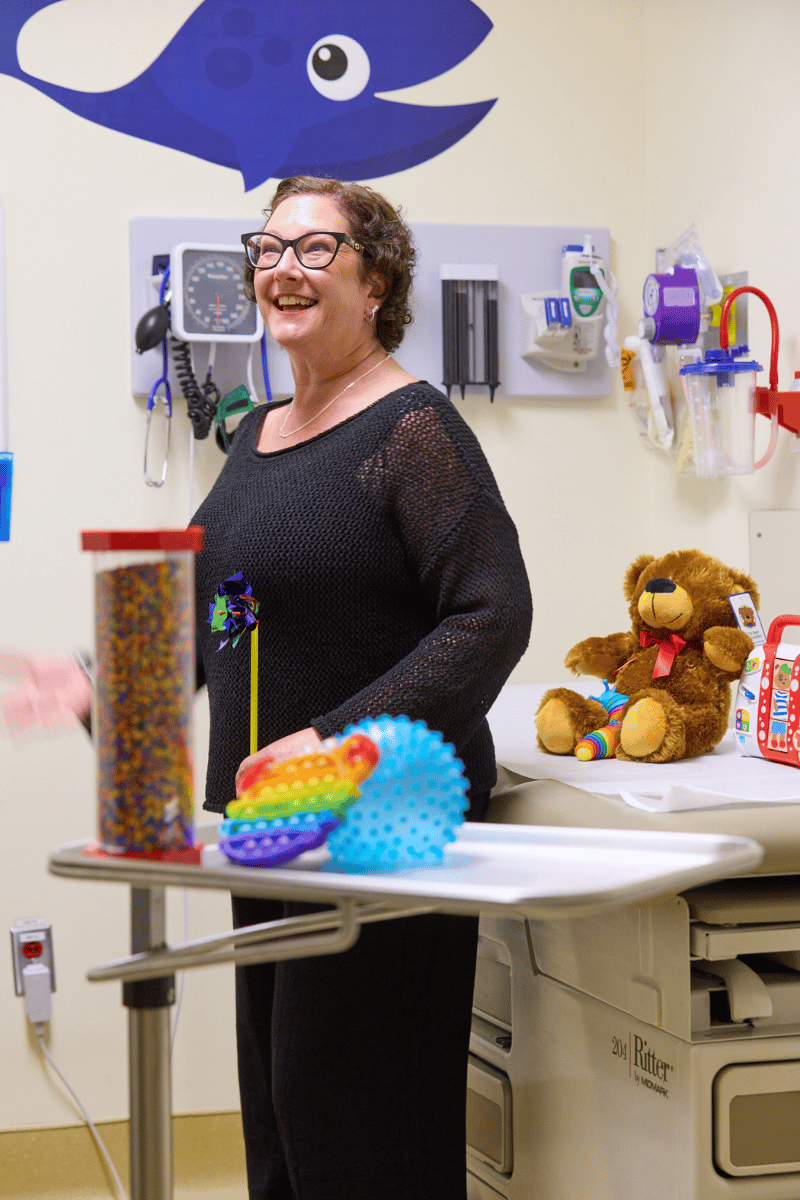
In her 29-year career as a Child Life Specialist at MSH, Julie has supported countless children and their families as they navigate the stress, uncertainty and emotions that come with illness, medical procedures and treatment. So, when it came time to tell her own two teenagers, Avery and Cooper, that she had cancer, she and her husband, Adam, drew on that same Child Life approach.

“We’ve always been very open and honest with our kids,” she says. “They had lots of questions, and we made sure they felt included and supported throughout my breast cancer journey.”

Transparency is sometimes the best source of comfort for family members, says Julie, which is why her husband and kids were with her each time she rang the bell at MSH’s The Shakir Rehmatullah Cancer Centre to celebrate the end of a treatment stage. Her kids also accompanied her to clinic appointments so they could see everything firsthand and meet the team caring for their mom.
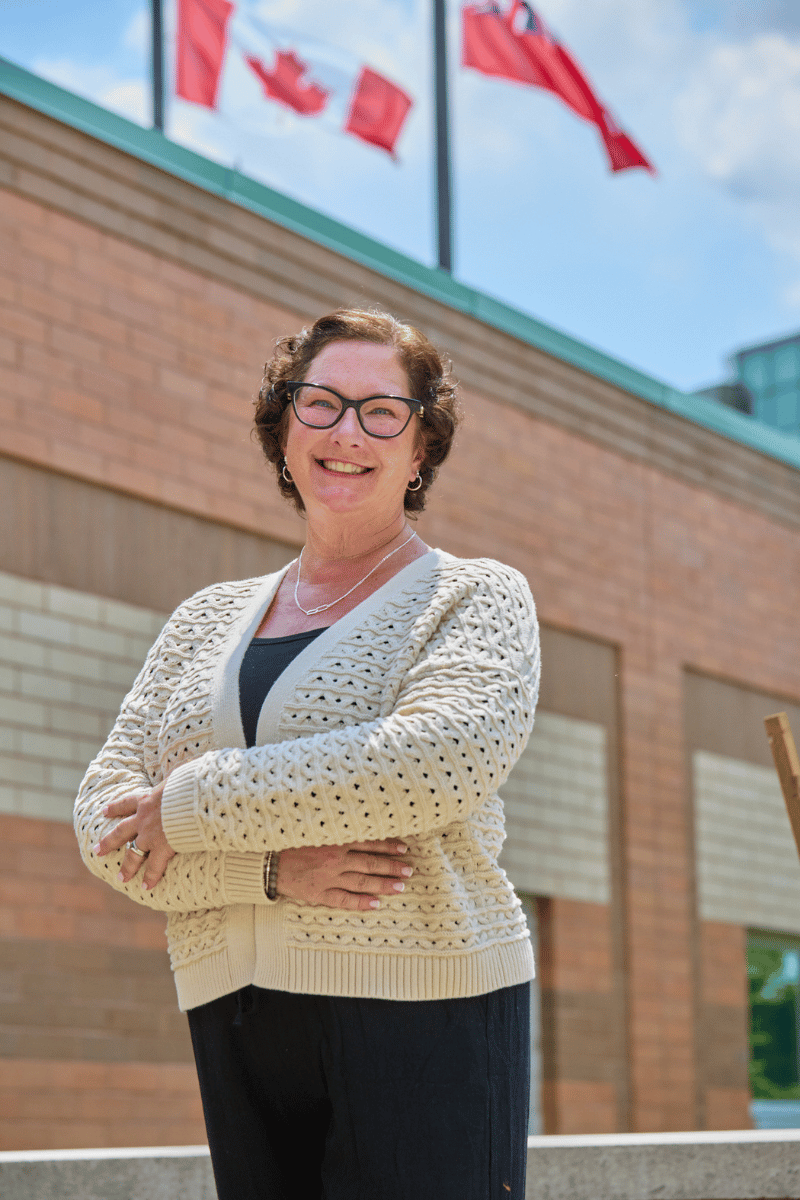
The other side of the bed

Going from practitioner to patient was surreal for Julie. However, from the moment of her diagnosis, she says she felt seen by her care team. Although they were friends and colleagues, they recognized her needs as a person.

“I was a health care professional, and I was also navigating fear, uncertainty and the challenges that come with breast cancer,” Julie says. “Their compassion, expertise and unwavering support reminded me why I have always been proud to work at MSH.”

Whether it was the volunteers who offered her warm blankets and snacks during treatments at the chemotherapy clinic, members of the wellness committee sending her messages to see if she needed anything or the presence of the hospital support dog, Max, Julie felt cared for at every step of the process.

Last year, the MSH Cancer Centre saw close to 500 new breast cancer cases and completed 7,656 chemotherapy sessions. Thanks to the generous support of the community, the centre is now being renovated, with three new chemotherapy chairs added to accommodate increasing patient volumes. That support also helped fund more advanced equipment for diagnostic imaging, like the MRI breast coil and an automated breast ultrasound, to aid with earlier breast cancer detection.

As she returns to work at the hospital this fall, Julie reflects on the new perspective she’s bringing to her role, thanks to her experience as a patient. She also underscores the importance of going for these cancer screenings as soon as you’re eligible.

“Knowledge is power,” she says. “If they find something, you can figure out what’s next. If everything is fine, now you have peace of mind.”

‍

قصصنا

قصص الرعاية والرحمة وقوة مساعدتك.
A second chance at life for Mikk Jogi
كيف تنقذ حياة شخص ما
رعاية تُشكّل الأجيال
التعامل مع تشخيص الإصابة بسرطان الثدي بدعم من المجتمع المحيط بها
مكان للشفاء ومكان يمكن اعتباره وطنًا
رعاية رحيمة طوال الحياة
حوار مع الدكتورة ميليسا لوي
ليلة من الرعب، وحياة من الامتنان
هبة الوقت والموهبة والثروة
ليلة من الرعب، وحياة من الامتنان
العودة إلى طريقها
جنبًا إلى جنب في وحدة العناية المركزة لحديثي الولادة بمستشفى MSH
رحلة تتسم بالقوة
الشجاعة في زاويتها
كيف أنقذت بصيرة أحد الأطباء حياة ستيفن فنستر
في رعاية موثوق بها
وعد الابنة
نبضات قلبك بعيدًا عن المنزل
في حوار مع د. جينيفر لي، الجراح العام في مستشفى MSH
الثقة في غرائزها
التغلب على الصعاب
السرطان يقوي العلاقة بين الأم وابنها
رد الجميل بطرق رئيسية
الرعاية المنقذة للحياة
من البقاء على قيد الحياة إلى الازدهار
الكل في العائلة
معركة دونا ضد السرطان
شأن عائلي
التعاطف في العمل
الرعاية المنقذة للحياة
دعم عائلات المستقبل
قريب من المنزل
ما وراء ممارستهم
الأمل وسط التشخيص
رحلة تسعة عشر عاماً من العطاء والعمل التطوعي
البقاء والامتنان
المرونة في مواجهة الشدائد
عائلة موريس: تحديد إرثهم
العثور على مكان آمن من خلال العلاج في مستشفى MSH
حياة من اللطف
العثور على الراحة والأمل في MSH
إضاءة الطريق إلى علاج أكثر كفاءة
موسم العطاء, موسم الرعاية
قصة إخبارية جيدة
رعاية حديثة
في مركز الرعاية
الروابط الأسرية
ثنائي ديناميكي
طريق العودة إلى الصحة